
TUPN Hosts Peace and Security Summit Awards 2026 in Abuja, Calls for Collective Action on National Security
-
by
 tupn
tupn - No Comments on TUPN Hosts Peace and Security Summit Awards 2026 in Abuja, Calls for Collective Action on National Security
 tupn
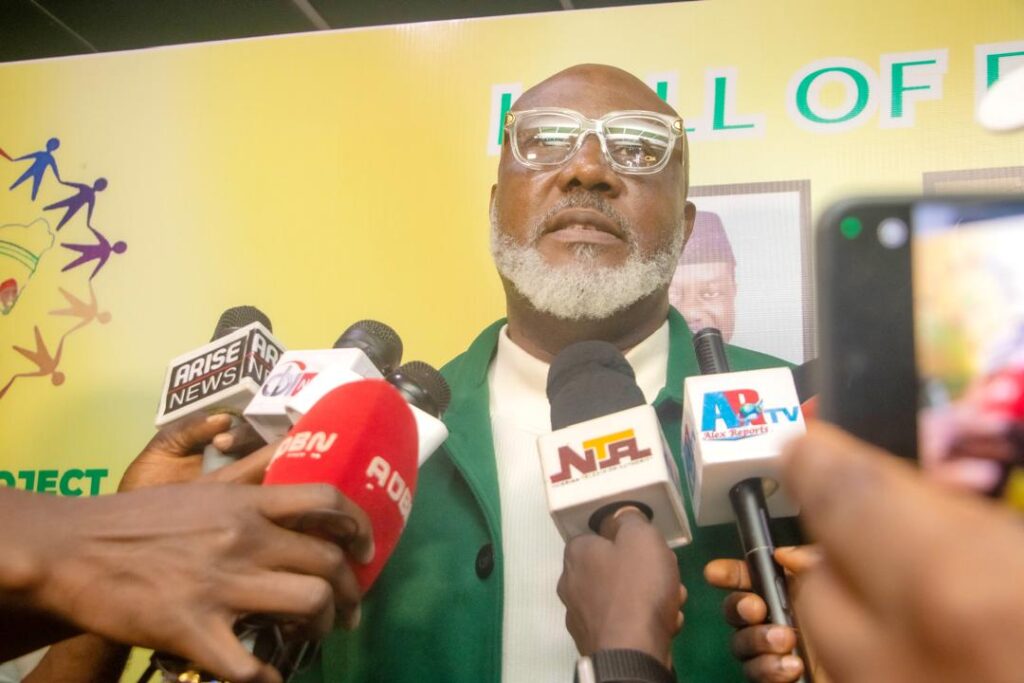
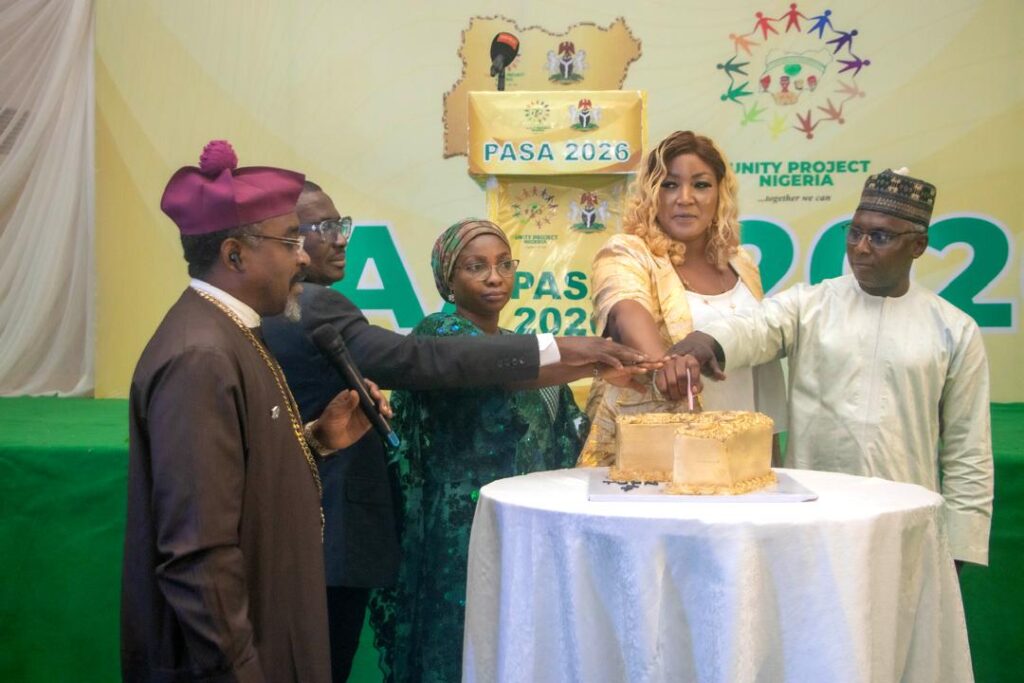
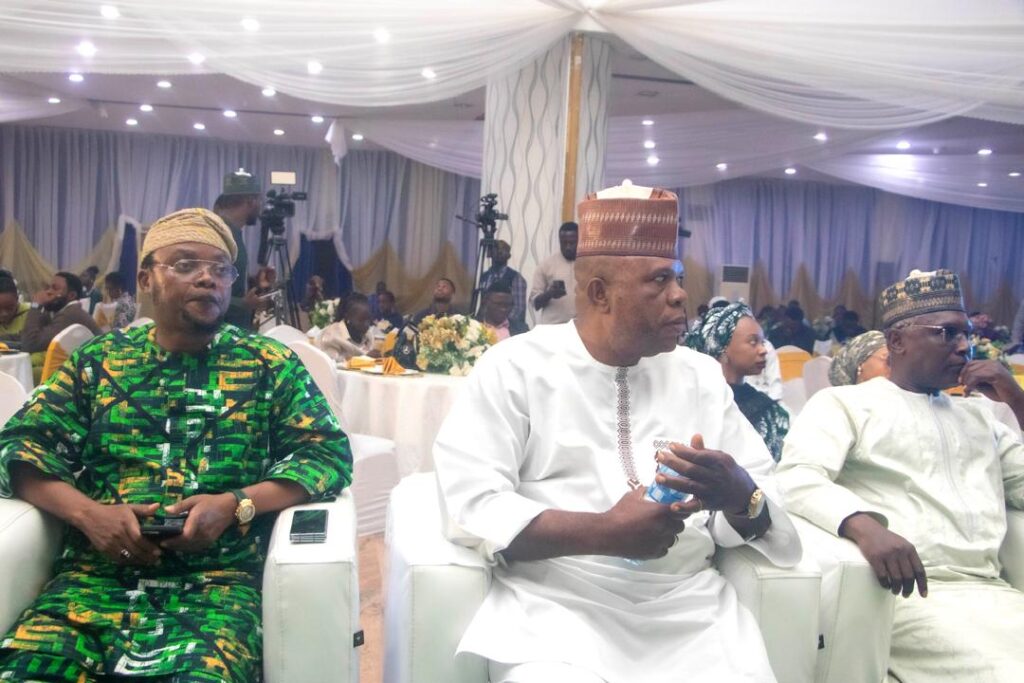
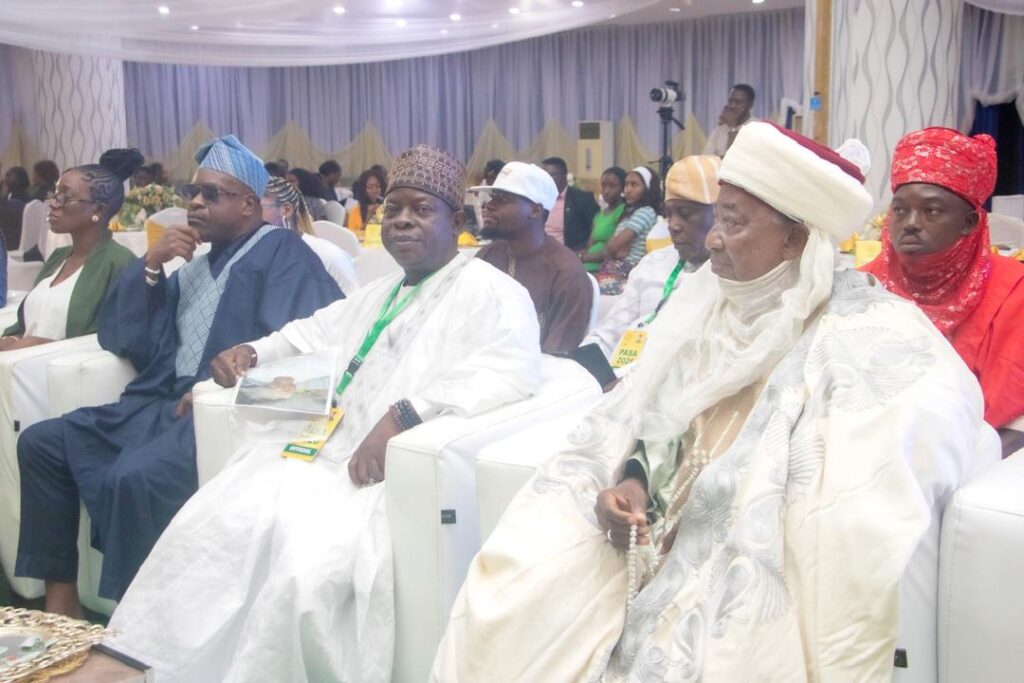
tupnThe Unity Project Nigeria successfully hosted the Peace and Security Summit Awards 2026 on 16th July 2026 at Nicon Luxury Hotel, Abuja, under the theme “Security, A Collective Responsibility.” The event brought together government institutions, security agencies, diplomatic and development partners, traditional and religious leaders, civil society stakeholders, private sector representatives, and community actors to discuss practical responses to insecurity in Nigeria.
The Summit provided a national platform for open dialogue, institutional collaboration, intelligence sharing, community participation, and renewed commitment to peacebuilding. Participants emphasized that Nigeria’s security challenges cannot be solved by government alone, but require the active participation of citizens, communities, security agencies, religious institutions, traditional leaders, development partners, and the private sector.
Key Highlights from the Summit
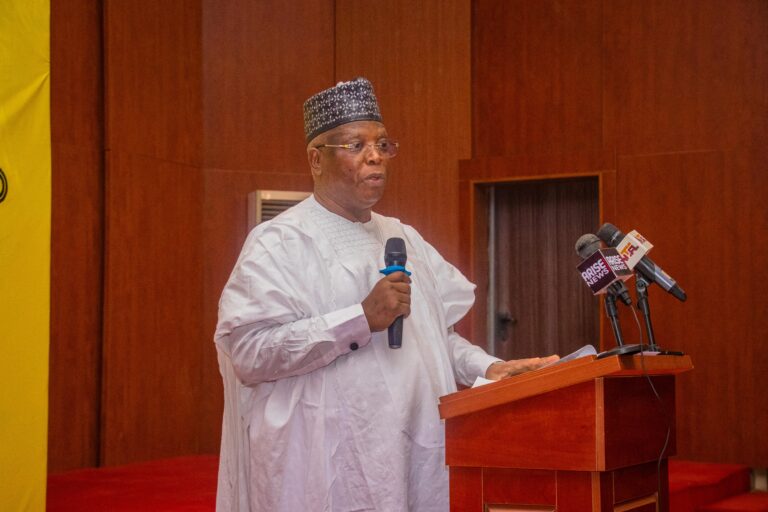
The programme opened with prayers by Archbishop Dr. Chivir Chianson, followed by the National Anthem rendered by the TUPN Creative Academy. In his welcome address, Senator Dino Melaye challenged participants to reflect honestly on the security situation in the country and called for proactive leadership, patriotism, stronger national commitment, and increased youth participation in nation-building.
The representative of the Senate Committee Chairman on National Security agreed that more effort is required to combat insecurity and stressed the need for stronger support for national institutions. The Honourable Minister of Defence, represented at the event, commended The Unity Project Nigeria for convening the Summit and emphasized stronger collaboration among security agencies, as well as active community participation as essential tools for ending insecurity.
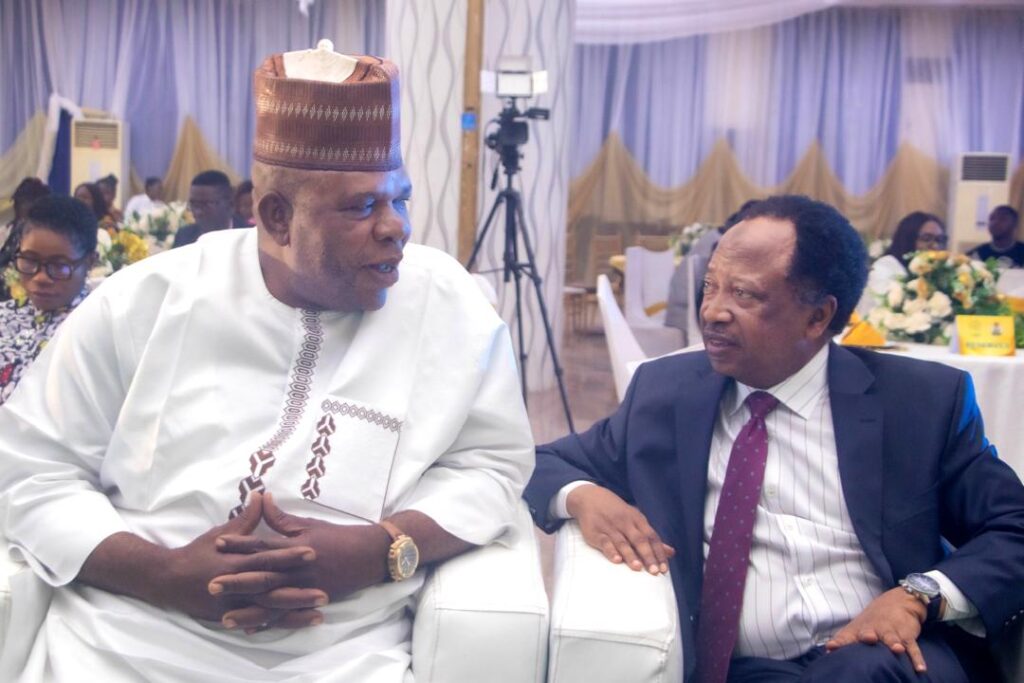
The UNODC Country Director reaffirmed the organization’s commitment to a stable Sahel region and continued collaboration with government to strengthen institutions and support security-sector resilience. Senator Shehu Sani, speaking on the state of the nation, noted that Nigeria has the capacity to overcome its challenges and called for patriotism, stronger commitment, and increased youth involvement.
The Chairman of Ifelodun Local Government Area also shared practical community security experience, highlighting how local vigilante structures and collaboration with the DSS helped address criminal elements in his area. He urged community leaders to take more proactive responsibility in preventing security threats before they escalate.
Panel Session: A Whole-of-Society Approach
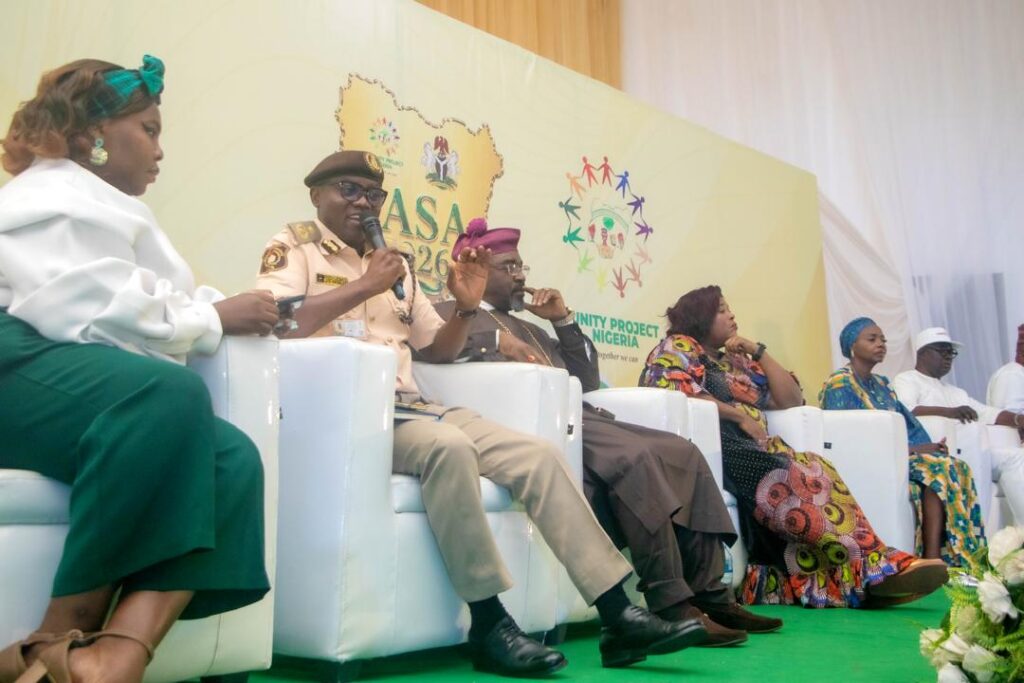
The panel session, moderated by Barr. Chisom Chude, focused on the need for a whole-of-society approach to national security. The session featured contributions from security institutions, emergency response agencies, faith-based organizations, grassroots bodies, and private sector representatives.
The Department of State Services (DSS) emphasized intelligence-led security, confidential reporting channels, inter-agency collaboration, and the protection of citizens who provide credible intelligence. The Nigeria Immigration Service (NIS) highlighted improved border operations through digital systems and called for stronger community participation, intelligence sharing, and collaboration with sister security agencies.
NESO stressed the importance of specialized community-level counter-terrorism support and urged parents and guardians to properly train their wards so they do not become problems to society. NEMA highlighted its 24-hour emergency response centre and noted the need for more support and funding to improve national emergency response capacity.
PANDEF called for stronger grassroots participation and urged communities to provide relevant and timely information to prevent threats. CAN stated that the Church continues to contribute to peacebuilding and community support, while calling for stronger protection from security agencies for vulnerable faith communities.
Private sector communication stakeholders emphasized the need for better equipment, improved technology, and stronger infrastructure for faster and smoother emergency communication services. The Ministry of Finance stated its readiness to support security agencies financially, provided such agencies clearly defend their budget requests and explain the purpose of the funds.
Key Themes and Recommendations
The Summit reinforced the need for stronger coordination across institutions and communities. Major themes included intelligence-led security, grassroots participation, improved technology, better funding, stronger inter-agency collaboration, emergency-response capacity, border management, family and civic responsibility, and protection for vulnerable communities.
Among its key recommendations, the Summit called for stronger intelligence sharing between communities and security agencies through safe and confidential reporting channels; improved collaboration among DSS, NIS, NEMA, Police, Armed Forces, NCTC, NESO, and other relevant institutions; investment in modern communication equipment and surveillance technology; increased support and funding for emergency-response and security agencies; and stronger grassroots security structures.
The Summit also recommended the establishment of a Presidential Committee on National Security to coordinate practical, intelligence-led, community-based, and non-kinetic security interventions across government institutions, security agencies, communities, civil society, the private sector, development partners, and youth representatives. This proposed committee would help harmonize stakeholder efforts, track post-summit commitments, and strengthen national response to emerging security challenges.
Award Recognition
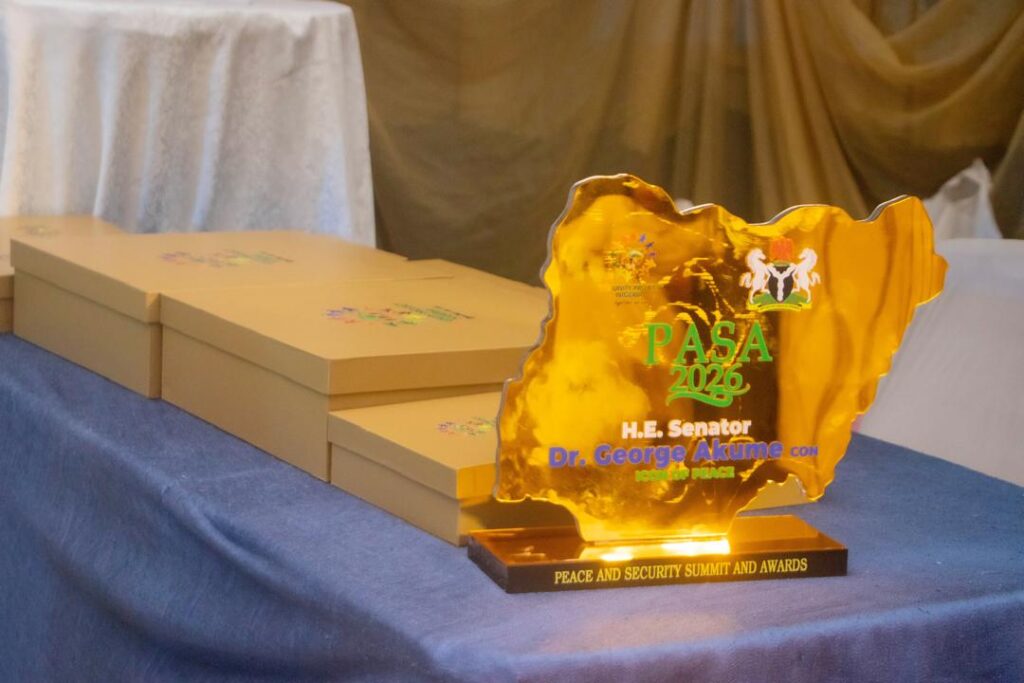
As part of the event, The Unity Project Nigeria recognized individuals and institutions for their contributions to peace, security, public service, institutional support, national development, and community safety. Award recipients included His Royal Highness, The Etsu Nupe; Office of the Secretary to the Government of the Federation; National Counter Terrorism Centre; Senate Committee on National Security; House Committee on Defence; Honourable Minister of Defence; Nigeria Immigration Service; Department of State Services; Senator Shehu Sani; and His Excellency, Dr. Chinwoke Mbadinuju (Odera), who was honoured posthumously.
Conclusion
The Peace and Security Summit Awards 2026 ended with a renewed call for national commitment, stronger collaboration, community participation, better emergency response, protected intelligence reporting, and strategic investment in security systems. The Unity Project Nigeria reaffirmed its commitment to sustaining the dialogue and working with relevant stakeholders to promote peace, unity, and security across Nigeria.
Through this Summit, The Unity Project Nigeria has once again demonstrated its commitment to peacebuilding, national unity, youth inclusion, civic responsibility, and non-kinetic approaches to strengthening security across the country.